First Published: 05/11/2016
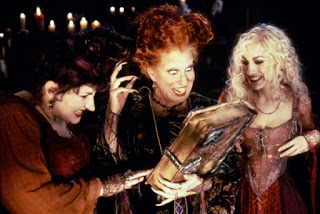
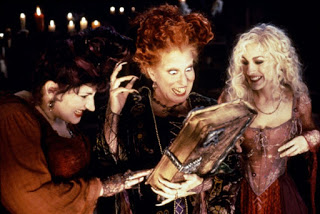
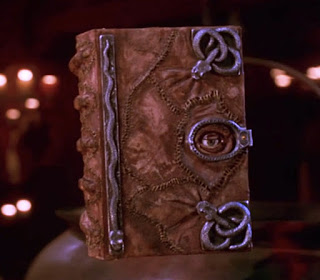
Books bound in human skin are interesting but macabre objects. For many, these are the stuff of myth or Hollywood. One of the most famous examples comes from the Halloween movie Hocus Pocus (1993). In this Disney classic, the three witches have their spells written down in a book bound by the skin of a hangman, with a human eye for the locking clasp. This is clearly an impressively gory prop and not a real book… However, tomes bound in the skin of human beings are very much real, rare but real!
There are currently a total of forty seven alleged bindings preserved in libraries across the world and of those thirty have been tested so far. Eighteen of those thirty have been confirmed to be bound by a technique called anthropodermic bibliopegy (binding a book in human skin), the others were bound in more commonly used materials such as leather produced from the skin of pigs or sheep.
Recent advances in peptide mass fingerprinting allow scientists to distinguish the mammalian source of collagen in a sample. Collagen is the main structural protein in the extracellular space in the various connective tissues in animal bodies. It is more durable than DNA and less easy to contaminate. Although this technique does not allow identification at the individual species level, it is highly unlikely that the skins other members of the Great Ape family was used for book binding during the 17-19th centuries. In other words, these are not gorrillas or orangutans, rather those identified can only be human skin.
The earliest evidence of anthropodermic bibliopegy dates to 1710 but the technique became especially popular in the 19th century. Interestingly the practice was not the preserve of special texts but usually there is a connection between the topic of the text and the binding. For example, L. Bouland, a physician who allegedly bound several books in human skin stated that a book about the human soul deserved a “vestment of human skin” to envelope it.
Other texts bound in such a fashion include: anatomy text books (A case of ‘waste not want not’!), judicial proceedings bound in the skin of the convicted, autobiographies bound in the flesh of the author, a book by de Sade bound in breast skin and other profane texts… Including the Dictionary!
In 1818, a criminal named James Johnson was hanged in Norwich. His skin was then used to bind a copy of Samuel Johnson’s dictionary. There is no known connection between the two men.
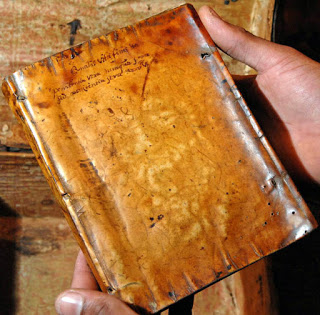
One of the most famous examples of such binding records the plot, faliure and subsequent arrest of the gunpowder plotters. The Gunpowder Plotters were a group of Catholic rebels who planned to explode massive quantities of gunpowder underneath parliament when it was in session. Their goal was to kill the Protestant King James I of England, his eldest son, and much of the English court and government in 1605.
The so-called Gunpowder Plot failed and eventually those linked with the plan were caught, interogated and executed. Infamously, amongst their number was Guy Fawkes, however one of the co-conspirators identified was Father Henry Garnet – Head of the Jesuits in England.
Following his execution, Henry Garnet’s flesh was used to bind the book which recorded their collective failure. Upon the cover of the book is a latin inscription which reads “severe penitence punished the flesh.” In this book anthropodermic bibliopegy was used as a consumate expression of agonising failure and the supremacy of the Monarchy and State. Indeed, in 2007 Sid Wilkinson of Wilkinson’s auctioneers, said: “It’s a little bit spooky because the front of the book looks like it has the face of a man on it, which is presumed to be the victim’s face.”
Today such procedures seem rather gruesome and out of place, such books garner huge attention, with the media fixating on how macabre and ‘grisly’ these books are. However that was not necessarily true at the time of their production! It is presumed that human skin binding was preformed for three main reasons:
- Punishment.
- Memorialisation and
- As collector’s items.
The first is related to the Murder Act (1751), which allowed for the dissection of the executed, this was perceived as further punishment. The Act included the provision “for better preventing the horrid crime of murder” “that some further terror and peculiar mark of infamy be added to the punishment”, and that “in no case whatsoever shall the body of any murderer be suffered to be buried“, by mandating either public dissection or “hanging in chains” of the cadaver. The skins of such criminals are predominantly found on the judicial proceedings of their cases.
Second, some people bequeathed that their own or special texts should be bound in their skin after their death and given to a specified person. From today’s point of view the second reason seems equally odd to the third possible reason, the book being a collector’s item.
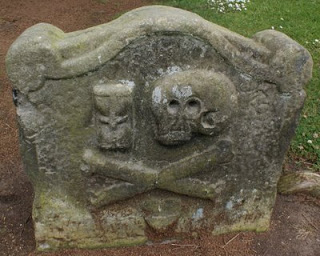
Gathering oddities and fascinating items in curio collections was en vogue during the period and to such collectors, few things were stranger than a book bound in human skin. Whatsmore there was a general obsession which permeated society – death. Obsession with the ‘Danse Macabre’ is clearly refelected in gravestones from this time and seemingly inevitably some copies of Holbein’s Dance of Death were bound in human skin during the 19th century.
Across the globe, libraries which curate tomes bound in human skin are frequently approached by visitors curious as to whether they can see the books (in the flesh, so to speak) and there are even various Top 10 lists of ‘Books Wrapped in Human Skin’ on the Internet!
Some consider popular fascination with these books to border on lurid, sparking critical commentary and calls for ethical considerations to be re-addressed due to the predominantly involuntary nature of the skin donations and the handling of the books in general. Such considerations will continue to be complicated as the concept of consent had not been fully realised at the time of their creation, some bindings were by design punishment and therefore by definition without consent and some of Bouland’s bindings might be out right questionable in their intent.
However such books undeniably provide an interesting and crucial insight in to the practices of the 17-19th centuries. While they should of course be treated respectfully; their existence explores the nature of humanity, where the boundaries of taboo, morailty and justice lie, and as such will always be a source of intrigue.
-Chiara Girotto & Mr Soup.
References:
Davis, S. 2015, Let’s talk about binding books with human skin. http://www.vice.com/read/binding-books-with-human-skin-135, accessed 27/10/2016.
Hood N. 2011, Top 10 books wrapped in human skin. http://www.toptenz.net/top-10-books-wrapped-in-human-skin.php, accessed 28/10/2016.
Kirby, D., M. Buckley, E. Promise, S. Trauger and T. R. Holdcraft 2013, “Identification of collagen-based materials in cultural heritage,” Analyst (138) 4849-4858.
Needham, P. 2014, A binding of human skin in the Houghton Library: A recommendation. http://www.princeton.edu/~needham/Bouland.pdf, accessed 27/10/2016.
The Anthropodermic book project, https://anthropodermicbooks.org/, accessed 27/10/2016.
‘Spooky’ face on skin-bound book – BBC NEWS:
http://news.bbc.co.uk/1/hi/england/south_yorkshire/7115174.stm


Leave a Reply